Safeguarding homes, communal areas and valuable assets from the costly impact of accidental water release.


Accidental water discharge in residential fire suppression systems can create significant financial and operational consequences for building owners, housing providers and property developers.
While fire suppression systems are essential for life safety, unintended water release caused by leaks, impact damage, freezing conditions or system faults can result in costly repairs, disruption to occupants and avoidable reputational risk.
The challenge is not the system itself – it is ensuring that sprinkler and fire suppression systems are designed with the right controls in place to reduce exposure while maintaining fire protection readiness.

Water-related damage remains one of the most common categories of UK property insurance claims, with insurers paying around £1.8 million every day for escape of water incidents. Even a short period of uncontrolled water flow can lead to costs far beyond the initial repair. Potential consequences may include:
Accidental water discharge in residential sprinkler systems can occur for a range of reasons, many of which develop gradually or happen unexpectedly during the life of a building.
Common causes include:
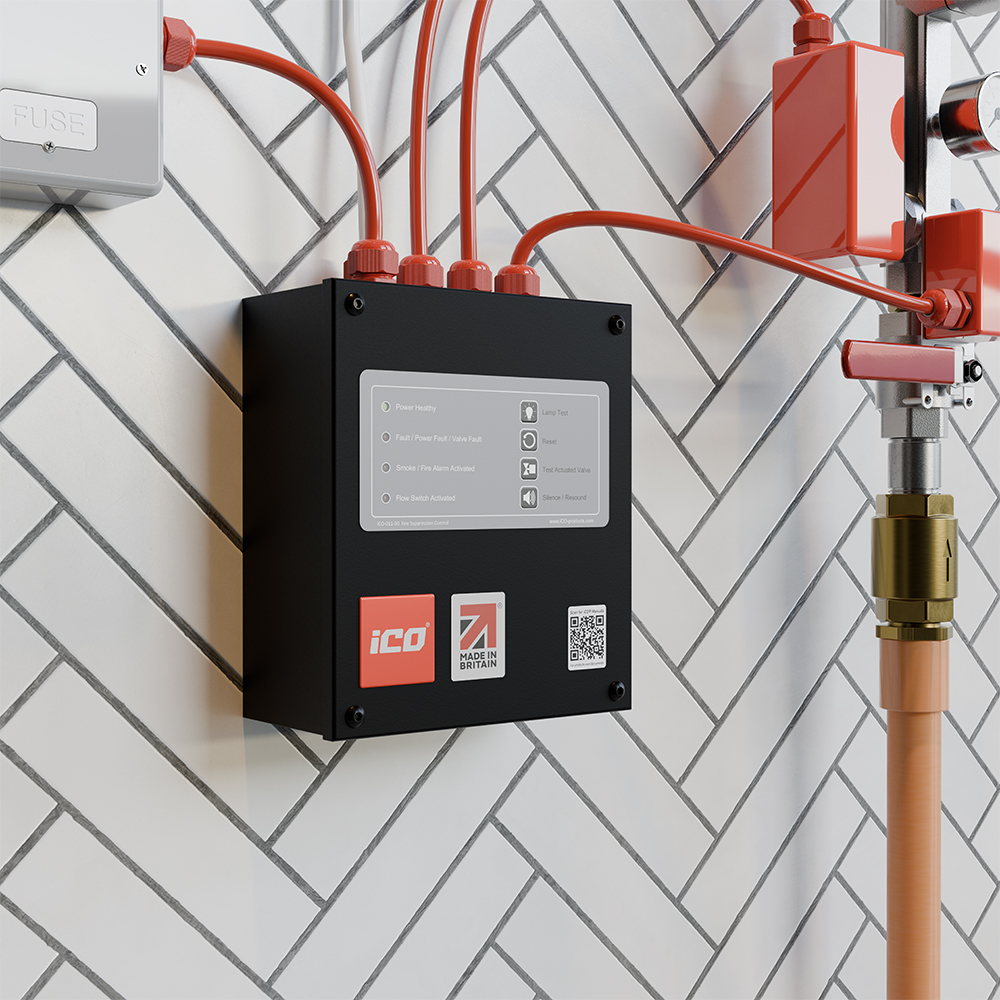
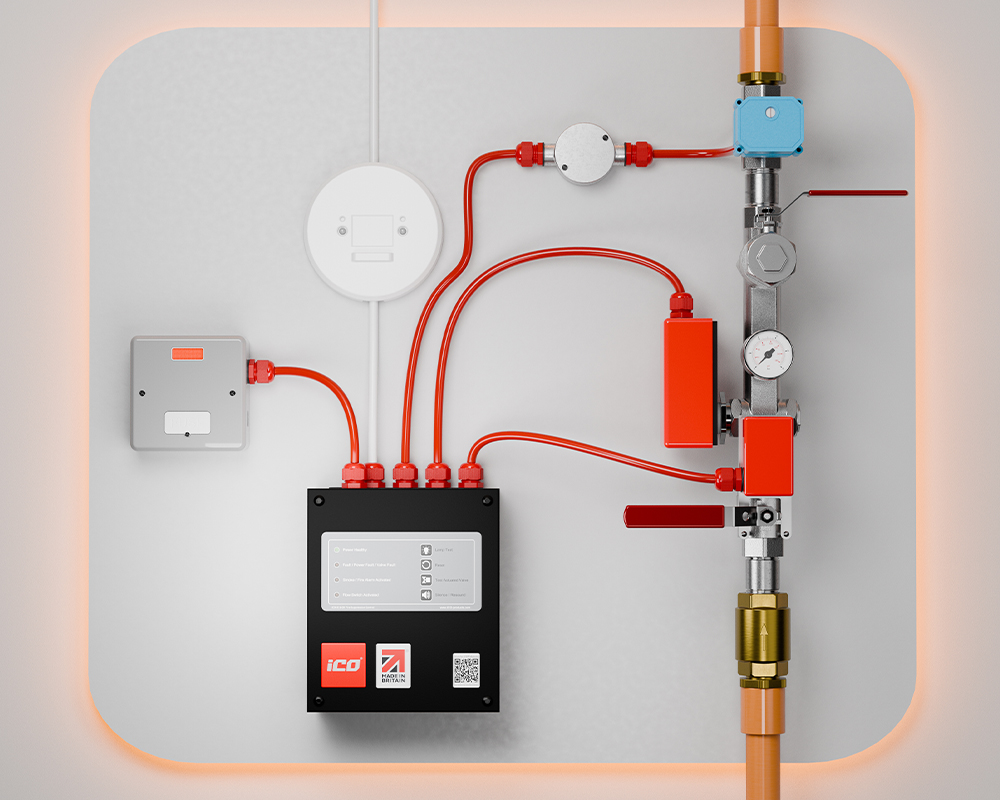
Purpose-built flow control technology can help reduce the consequences of accidental water discharge by isolating unnecessary flow events while allowing confirmed fire activation to operate as intended.
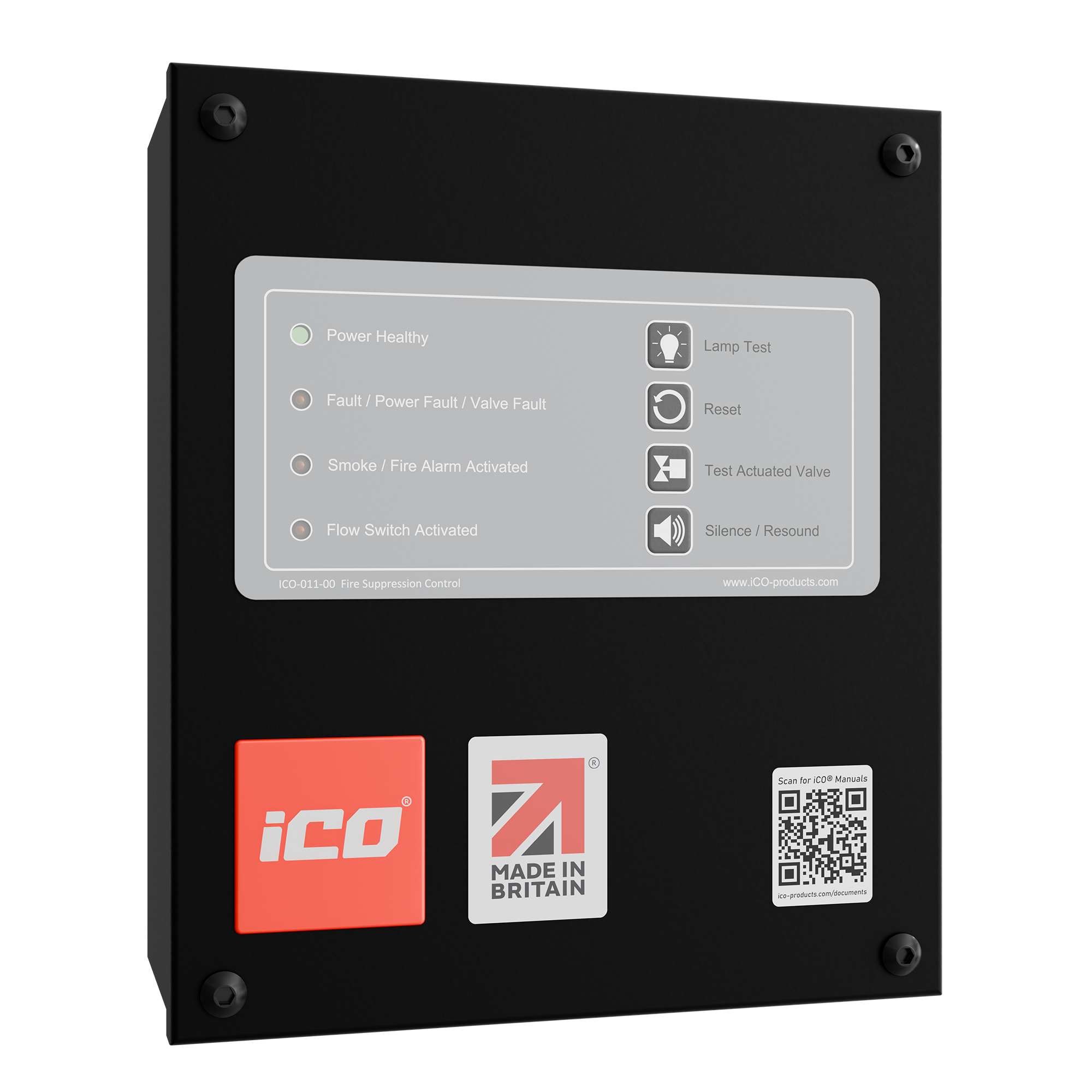
The Flow Controller from iCO® is designed to integrate with residential fire suppression systems where protecting property and contents is a priority. It continuously monitors water flow within the system. If excessive flow caused by a leak, rupture or fault is identified, the Flow Controller can automatically isolate the water supply to help minimise damage.
The iCO® Flow Controller must be designed and installed by an industry approved fire suppression company.