


BS EN 14972-17 is the new European fire test protocol for automatic water mist systems protecting residential occupancies. It works alongside BS EN 14972-1, which sets out the requirements for the design, installation, inspection and maintenance of water mist systems.

Though systems designed and installed to BS 8458:2015 remain acceptable where appropriate, new projects are increasingly specifying the BS EN 14972 series as the basis for residential water mist system testing, design and installation.

BS 8458 focused primarily on the design and installation of residential water mist systems. BS EN 14972-17 introduces a harmonised fire test protocol that requires systems to demonstrate their performance, while BS EN 14972-1 governs how approved systems are designed and installed.

BS EN 14972-17 emphasises early coordination. Architects should specify water mist systems that have been successfully tested for the intended residential occupancy and design conditions, rather than treating water mist as a generic specification item.

For installers, the BS EN 14972 series reinforces the need to install systems to approved design parameters, project fire strategies and certification requirements, while maintaining clear evidence of compliance throughout installation works.
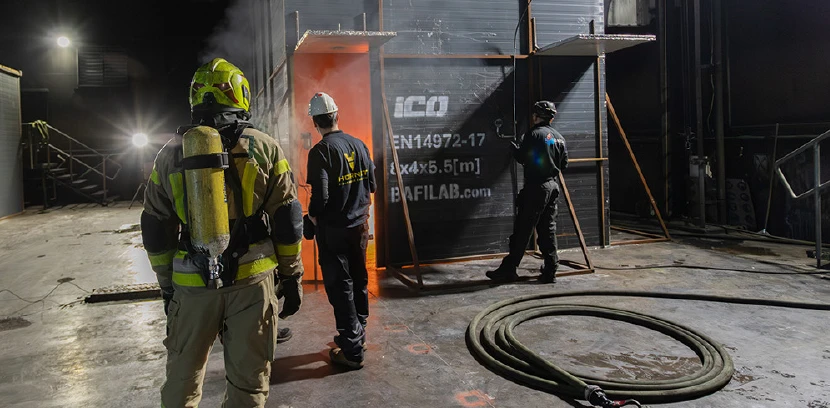
Historically, Building Control bodies and fire professionals approached water mist systems cautiously due to varying testing protocols and approvals. BS EN 14972-17 provides a more consistent basis for assessing residential occupancies and applications.

Designing and installing a compliant residential and domestic water mist fire suppression system shouldn’t come with uncertainty. We’ve created BS EN 14972-17 Demystified to help architects, installers and approving authorities understand the new standard and apply it with confidence.
Game-changing water mist compliance, independently tested to meet BS EN 14972-17.
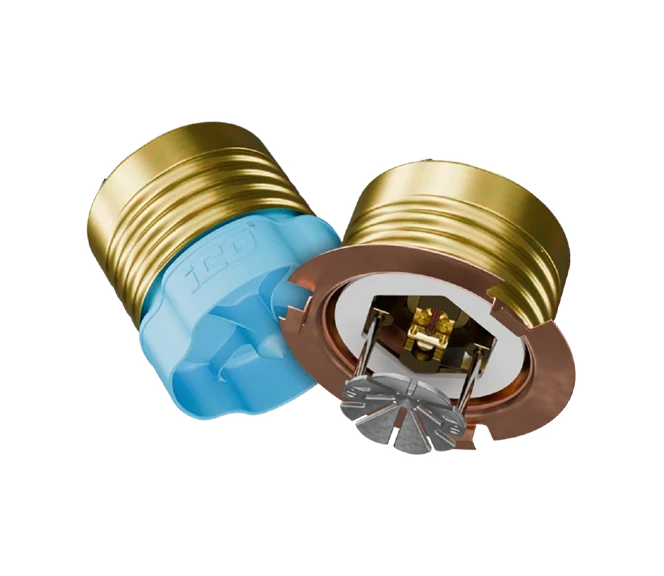
Operating at a truly low pressure of 6 bar with a minimal water flow of approximately 29 L/min.
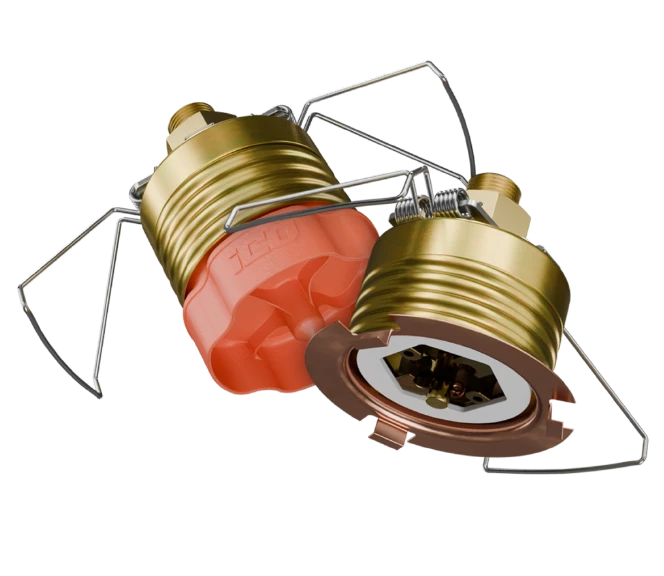
A high-pressure concealed pendant nozzle combines proven fire-suppression performance with a discreet architectural finish.


